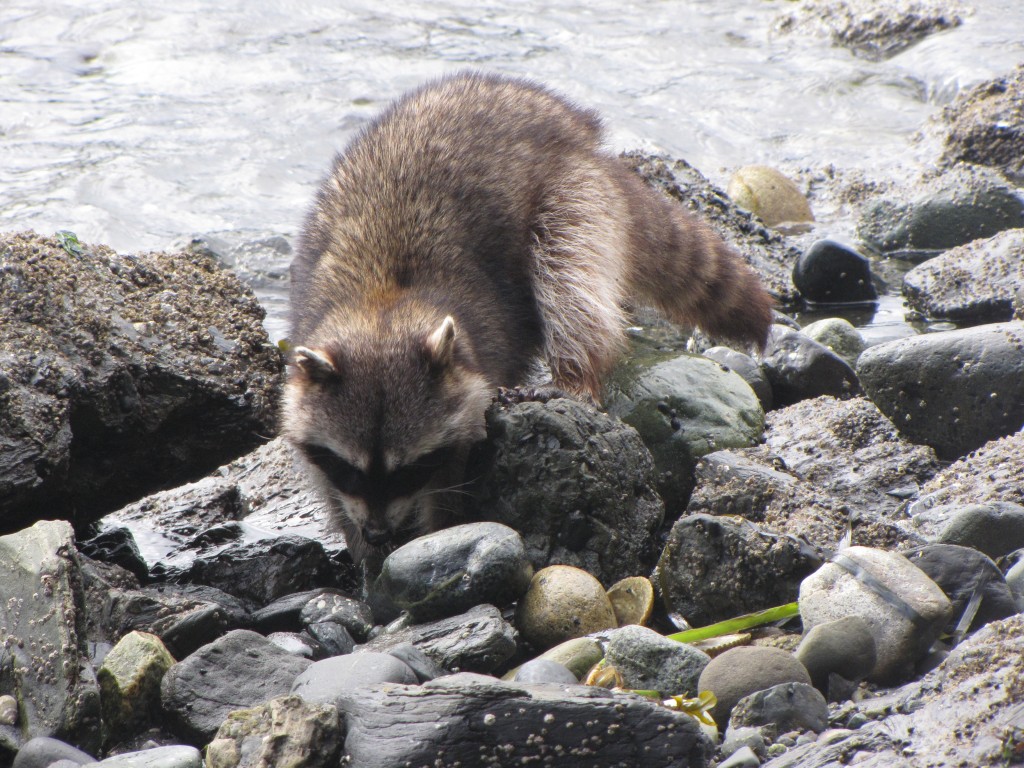
Wildlife Raccoon Outdoors Eating Biology Diagrams Raccoons are meant to be wild and problems with disease, overpopulation & aggression can occur when they get too dependent on people. Country Raccoons. As you get further away from dense city environments, raccoon diets gradually become more and more natural. Raccoons in the wild will forage for anything growing naturally they can find to eat. Raccoons play a significant part in the ecosystem, affecting both the food chain and the environment around them. Their activities help keep nature balanced and provide benefits that may not be immediately obvious. Impacts on Food Chain. Raccoons are often considered secondary consumers in the food chain.

The Raccoon in the Food Chain. The concept of food chains and food webs is crucial for understanding ecological relationships. A food chain is a linear sequence that shows how energy passes from one organism to another through consumption. Raccoons have several natural enemies in the wild, including: Coyotes: One of the most significant It is unlikely that a raccoon will attack a human. Generally, because of a human's large size, raccoons will keep away from humans. Raccoons know their place in the food chain. Even though raccoons have long claws and strong jaws they are quite docile creatures that won't attack humans. They see humans as predators. Many animals, including coyotes, owls, and hawks, consider raccoons a tasty meal, especially when food is scarce. These nocturnal mammals have a unique place in the food chain. While they are skilled foragers, they also have to be aware of their predators. In addition to natural threats, the urban landscape can bring new challenges as well.

Is a Raccoon Considered a Predator? Understanding Their Role in the ... Biology Diagrams
Raccoons are omnivores and play a crucial role in the food chain as both predators and prey. They help to control populations of smaller animals, such as rodents and insects, while also providing a food source for larger predators like coyotes and foxes. Raccoons also aid in seed dispersal and nutrient cycling through their foraging habits. Despite their importance, raccoons can sometimes In this section, we will explore the natural diet of raccoons and their food preferences in the wild. From plant-based foods to animal-based sources, we will take a close look at what raccoons consume in their natural habitat. Key Takeaways: Raccoons are omnivores and have a diverse diet that includes both plant-based and animal-based foods.
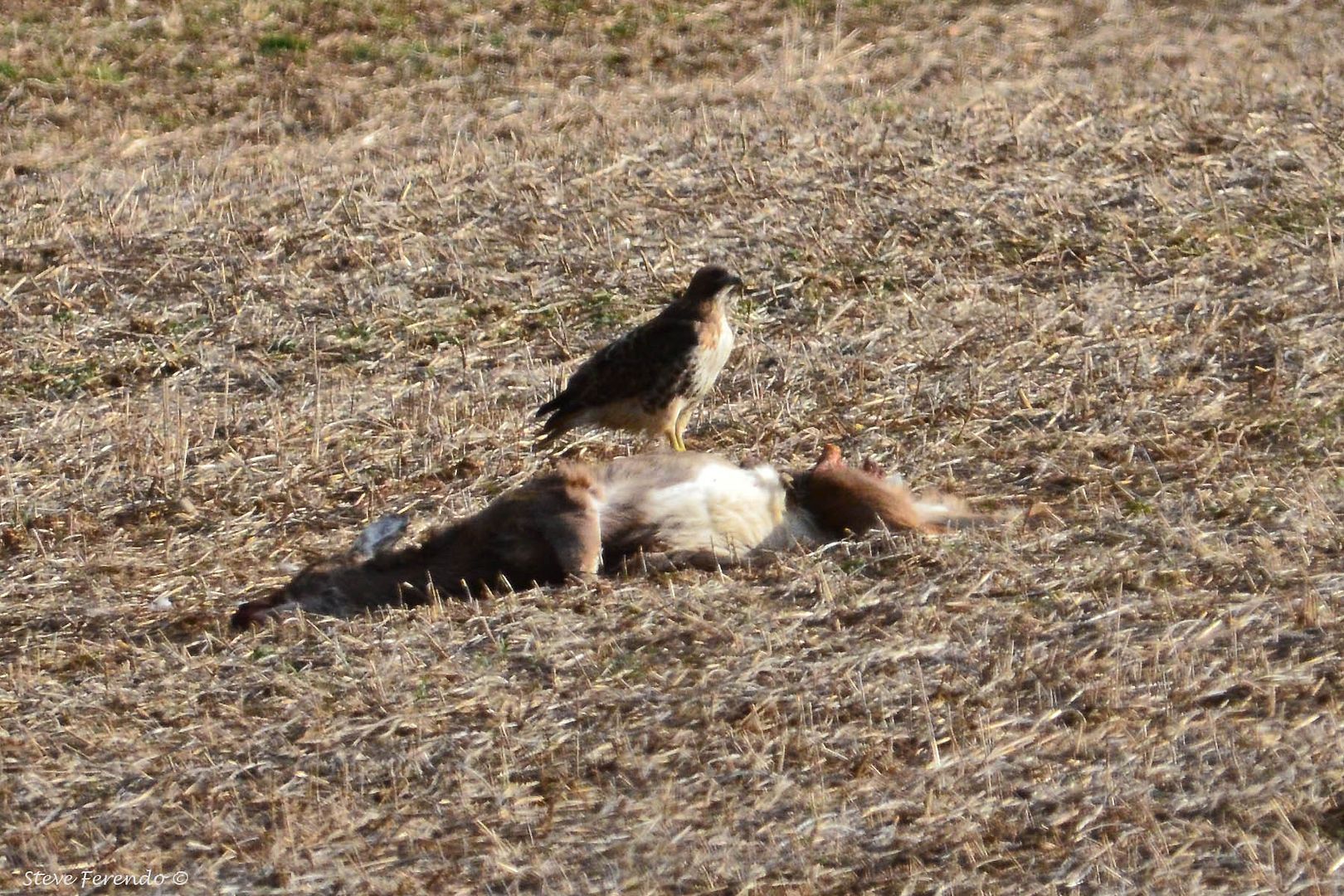
Despite their adaptability, raccoons are not at the top of the food chain. They fall prey to larger mammals like coyotes, bobcats, and cougars. In some areas, humans also pose a threat, either through hunting or vehicle accidents. How do raccoons find food in the wild? Raccoons use their keen sense of smell to locate food. They are also